After annual health check-ups, many Hongkongers pay particular attention to their blood pressure and cholesterol levels. When high blood pressure (Hypertension) coincides with high cholesterol (Hypercholesterolemia), the impact on heart and vascular health cannot be overlooked. This article will explain how hypertension and high cholesterol affect blood vessels and outline common and effective management strategies.
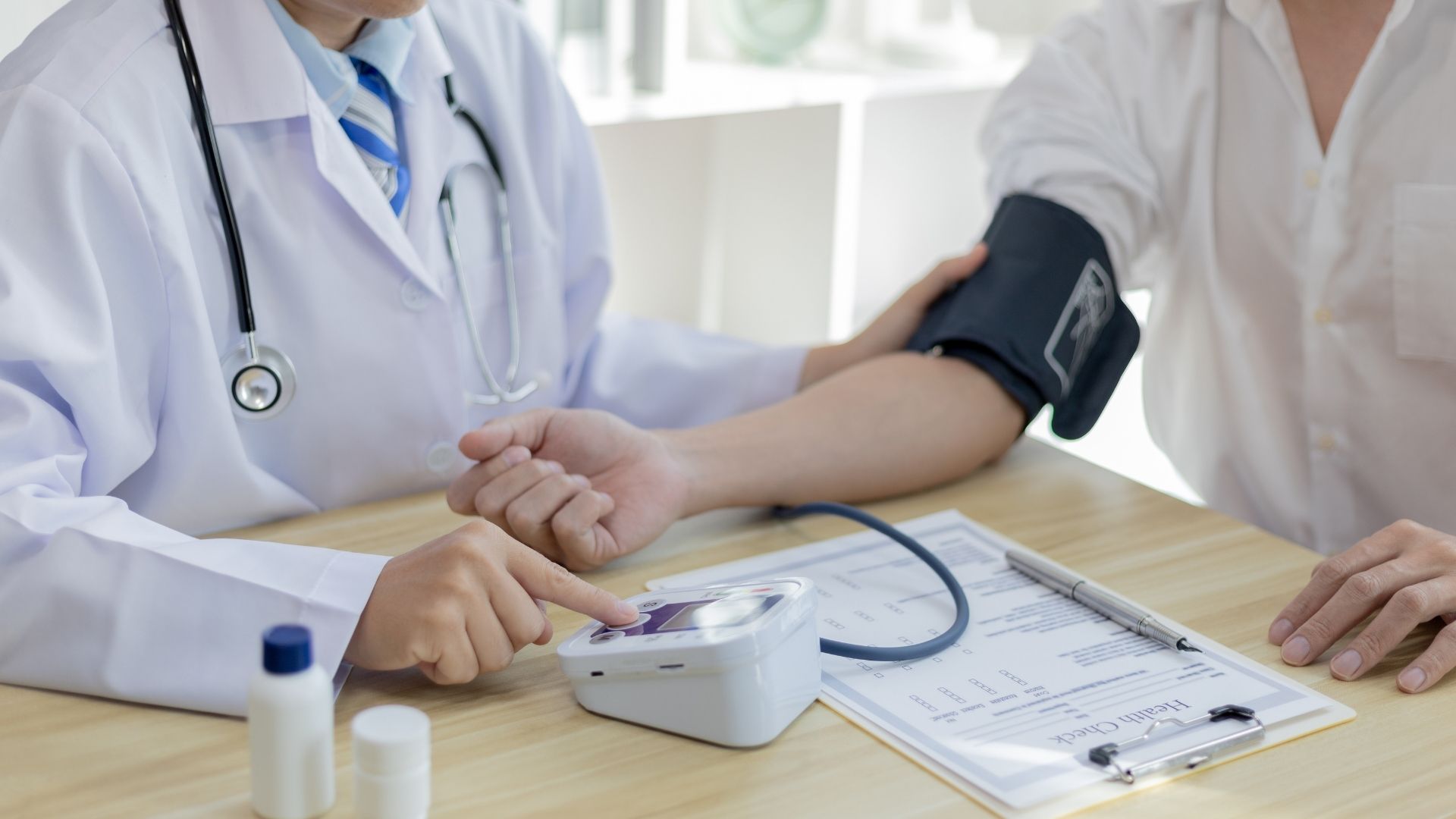
High blood pressure, high cholesterol, and high blood sugar are commonly referred to as the “triple high.” Many still believe that only the elderly face these issues, but in reality, there has been a noticeable trend of younger individuals experiencing hypertension in recent years. Due to the subtlety of early symptoms, many patients remain complacent because they feel "fine" and avoid seeking medical attention, ultimately facing the risk of heart disease, stroke, or other serious complications without warning.
In the mild to moderate stages, high blood pressure and high cholesterol usually present no clear symptoms. When the following discomforts arise, it often indicates that vascular blockage has reached a dangerous level or that complications have begun to surface.
|
High Blood Pressure |
High Cholesterol |
|
● Headache, dizziness, blurred vision ● Palpitations, breathlessness, chest discomfort ● Frequent nosebleeds ● In severe cases, blurred vision, nausea, confusion may occur ● Signs of stroke (e.g., slurred speech, weakness in limbs)
|
● Chest tightness, chest pain, shortness of breath ● Angina, myocardial infarction ● General weakness ● Facial drooping (stroke alert) ● Stroke or transient ischemic attack (TIA) ● Intermittent claudication in the lower limbs (pain while walking that improves with rest) |

Medical research has established a significant correlation between high blood pressure and high cholesterol. When both factors are present, the risk of cardiovascular disease increases by approximately 3–4 times, demonstrating a synergistic effect.
This explains why some patients, despite having “only slightly elevated” blood pressure and cholesterol that seem insignificant, can suddenly experience a heart attack without warning.
Given that the risk of concurrently having high blood pressure and high cholesterol is significantly increased, assessing a patient's condition cannot be based solely on "normal ranges." If you have both conditions, your acceptable levels must be lower than those of the general population.
|
LDL Cholesterol Levels |
Patients with Coronary Artery Disease or Heart Disease History |
General Population |
|
Below 1.8 mmol/L |
Ideal |
Ideal |
|
Below 2.6 mmol/L |
Normal |
Ideal
|
|
2.6 to 3.3 mmol/L |
High |
Ideal |
|
3.4 to 4.1 mmol/L |
High |
Slightly High |
|
4.1 to 4.9 mmol/L |
Very High |
High |
|
Above 4.9 mmol/L |
Very High |
Very High |
Faced with this “double whammy,” the most effective strategy is a dual approach.
The development of antihypertensive and cholesterol-lowering medications has matured considerably. In fact, it is unmanaged high blood pressure and lipid levels that truly harm the kidneys and blood vessels, not the medications themselves. For some patients who struggle to meet targets solely with oral medications, new-generation cholesterol-lowering injections are available that can more effectively reduce "bad" cholesterol and lower the risk of heart disease and stroke.
To effectively control high blood pressure and high cholesterol, and to prevent complications, patients should follow their doctor's instructions, attend regular check-ups, self-monitor blood pressure, avoid overeating, refrain from smoking and drinking alcohol, and maintain a positive mindset.

A: It is not advisable to stop medication without consulting a doctor. Normal blood pressure does not indicate that plaques in the blood vessels have disappeared. Cholesterol-lowering medications (especially statins) not only reduce cholesterol levels but also stabilize plaques to prevent ruptures that could lead to thrombosis. Any adjustments to medication should be guided by the latest blood reports and the condition of the blood vessels.
A: As mentioned earlier, both conditions are "silent killers" in their early stages. By the time you experience chest pain or breathlessness, your blood vessels may have already been blocked by over 70%. High-risk individuals are advised to consult a doctor about further testing, such as a treadmill ECG or CT coronary angiography, to directly observe any narrowing or calcification in the blood vessels.
The combination of high blood pressure and high cholesterol indeed heightens the risk of cardiovascular diseases. If your health report shows elevated levels for both, do not hesitate to seek medical advice. This is essentially your body giving you an early warning. Consult a cardiologist for professional evaluation to develop an aggressive and appropriate treatment plan; you have the power to reverse the risk and take control of your health.
(The contents of this article are for reference only and do not constitute medical advice. If you experience discomfort or have concerns, please consult a professional doctor.)
Updated: 2026‑02
Disclaimer: The health information on this website has been reviewed by doctors from Chiron Medical Group. The above content is for general reference only and should not be regarded as medical advice. It is not a substitute for consultation with qualified healthcare professionals about your personal health condition.