Percutaneous Coronary Intervention (PCI)

HomeEducationHealth InformationPercutaneous Coronary Intervention (PCI)

Percutaneous Coronary Intervention (PCI)

2026-02-02 Cardiology Dr. YIU Yuen Fung, Felix Coronary Heart Disease

Do You Really Need "Percutaneous Coronary Intervention"? Understanding the Steps, Examination Process, and Post-Surgery Care for Coronary Artery Intervention

When diagnosed with coronary heart disease or discovering serious blockages in the coronary arteries, doctors often recommend Percutaneous Coronary Intervention (PCI) in the vernacular.

Upon hearing about the surgery, many patients may have questions: "Is the process complicated?", "Is the risk high?", and "Will the surgery ensure that there are no further issues in the future?" This article will comprehensively outline the entire process from pre-surgery examinations, surgical steps, inherent risks, to post-surgery recovery, helping you face the treatment with confidence.

What is PCI?

"PCI" is a minimally invasive heart surgery that does not require opening the chest. During the procedure, doctors use catheter techniques to inflate a balloon and place a stent at the site of the narrowed artery, reopening vessels blocked by plaque (accumulation of fat and cholesterol) and restoring normal blood flow to the heart muscle. This technique is widely recognized in the international medical community as an important method to treat coronary heart disease.

Who Needs PCI?

Not all patients with arterial blockages require immediate surgery. Doctors assess patients' clinical conditions, imaging results, and overall risks to make a comprehensive evaluation. Generally, it can be divided into two categories:

  • Emergency Situations: Acute myocardial infarction (heart attack), where immediate surgery is essential to clear blocked arteries.
  • Non-Emergency Situations: Stable angina patients with more than 70% arterial narrowing, where medications fail to relieve chest pain or shortness of breath, or tests indicate significant myocardial ischemia.

Pre-Surgery Examination Process

To ensure the surgery is safe and to minimize complications, patients undergoing non-emergency PCI must undergo a rigorous assessment process:
  • Detailed Medical History and Physical Examination: The doctor evaluates the patient's allergy history (especially to contrast agents or medications), bleeding risk, and past surgical records.
  • Laboratory Tests:
    • - Kidney Function Tests: Given that a contrast agent is injected during surgery, it must be ensured that the kidneys can metabolize and expel it.
    • - Coagulation Function and Platelet Count: To ensure no abnormal bleeding occurs during and after surgery.
    • - Electrolytes and Blood Sugar Levels: To assess the baseline metabolic state.
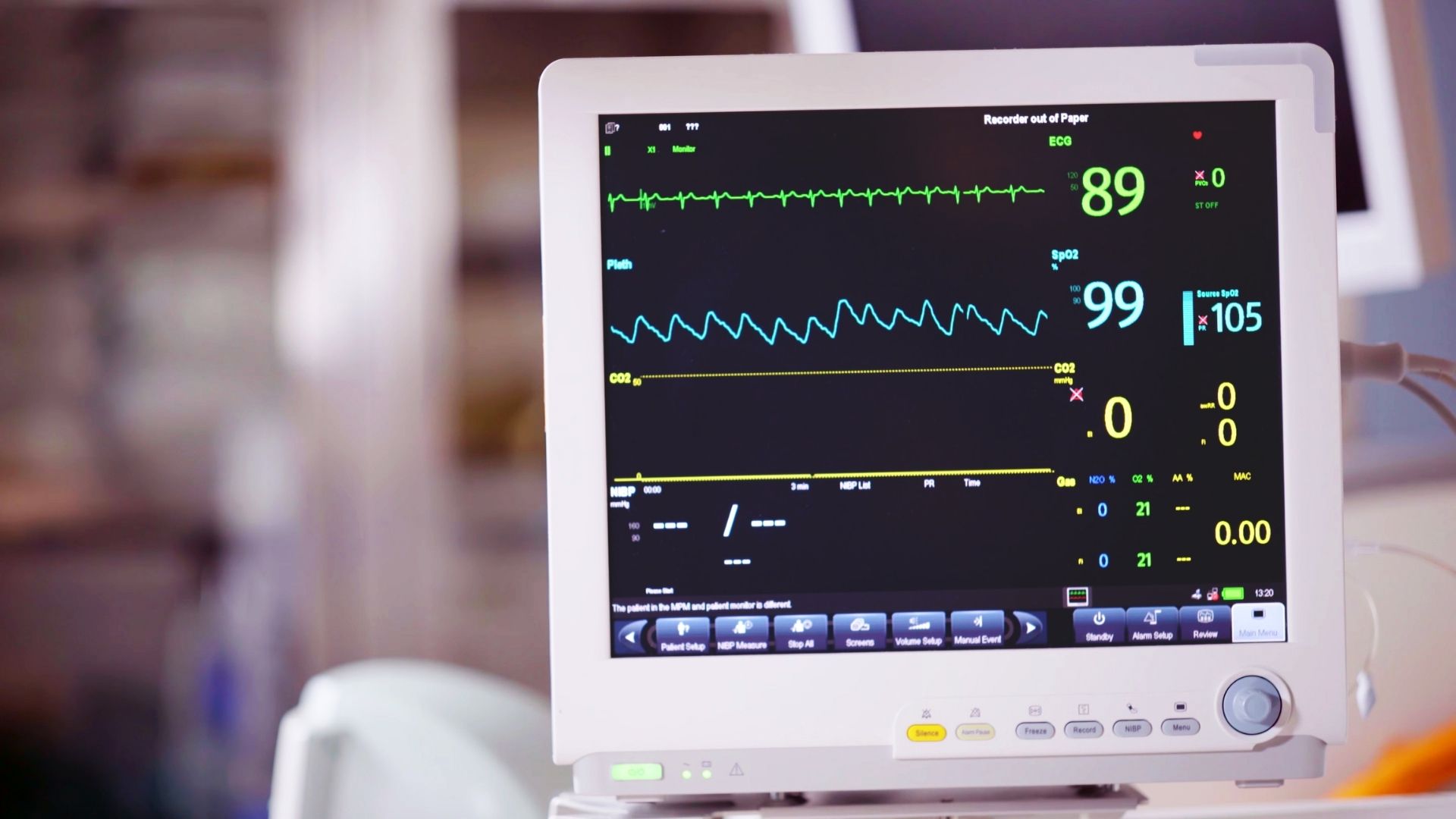
  • Electrocardiogram (ECG): Records the heart's electrical activity to confirm rhythm status.
  • Signature of Surgery Consent: The doctor explains the surgical process, expected results, and potential risks.
  • Fasting Arrangements: Generally advised to fast for 4-6 hours prior to surgery. In emergencies, the doctor may adjust as needed.

Surgical Process

The surgery usually takes place under local anesthesia, with the patient fully conscious, lasting about 1 to 2 hours:

  • Cannulation and Catheterization: The doctor administers local anesthesia in the wrist or thigh and inserts a catheter, guiding it through the blood vessel to the coronary artery entrance.
  • Imaging Confirmation: A contrast agent is injected through the catheter, using X-ray imaging to precisely locate the blockage's position and severity.
  • Balloon Angioplasty: A thin metallic guide wire is passed through the blockage, a balloon is introduced, and inflated to widen the narrowed artery.
  • Stent Placement: A stent is implanted at the same location; once opened, it adheres to the vessel wall to prevent recoiling and re-narrowing.

Is Stenting Always Necessary? Are There Other Options?

Not every patient requires the same approach; doctors will choose the most suitable treatment based on the vascular condition and clinical needs:

  • Plain Balloon Angioplasty (POBA): This early technique only used balloons to open arteries without stents but had a tendency for recoil or re-narrowing due to intimal hyperplasia.
  • Bare Metal Stents (BMS): Metal stents were introduced later to provide support, solving the recoil issue but still having some risk of recurrence.
  • Drug-Eluting Stents (DES): The most commonly used stents today, coated with drugs that inhibit cell growth, significantly reducing the chance of re-narrowing and offering better long-term results.
  • Bioresorbable Stents (BRS): Gradually absorbed by the body within about a year, leaving no permanent implants and theoretically restoring elasticity. However, they may not be suitable for all patients due to lower strength.
  • Drug-Eluting Balloons (DEB): Balloons release drugs during expansion to lower the risk of re-narrowing, often used in small vessels or in cases of re-narrowing within stents.

Risks of PCI

Although PCI is a highly safe minimally invasive procedure with an overall success rate of over 90%, there are still certain risks that need professional evaluation:

  • Common Minor Risks: Bruising or swelling at the puncture site, or mild allergic reactions to the contrast agent.
  • Severe Complications (Rare): Include arrhythmias, vessel rupture, stroke, heart attack, or even death.

Post-Surgery Recovery and Care

Successful surgery is just the first step; post-operative care is crucial to preventing a recurrence of cardiovascular issues:
  • Wound Care: Keep the wound clean and dry. If surgery was performed through the wrist, avoid heavy lifting or excessive twisting for two to three days.
  • Medication Therapy: Patients must strictly follow the doctor’s instructions regarding antiplatelet and cholesterol medications. Discontinuing medication could lead to acute thrombus formation within the stent, causing serious consequences.
  • Lifestyle Management: Quitting smoking, controlling hypertension, diabetes, and cholesterol, and maintaining a low-fat, low-salt diet along with regular exercise are lifelong commitments for vascular health.

Common Questions FAQ

  • Q1: In cases of severe heart disease, should I opt for "PCI" or "bypass surgery"?

    A: This depends on the complexity of the vascular lesions. For patients with multiple vessel blockages, left main disease, or those with diabetes, surgical "bypass (CABG)" may offer better long-term patency. Doctors will discuss the most suitable option based on individual circumstances.

  • Q2: Will there be pain during the procedure?

    A: The surgery is performed under local anesthesia, so most of the time, there will only be a mild sensation. Some patients may feel temporary chest tightness or pressure when the balloon inflates, which typically subsides quickly.

  • Q3: After PCI, can I undergo magnetic resonance imaging (MRI)?

    A: Currently, most new generation drug-eluting stents are made of medical-grade stainless steel or alloys, and MRI examinations can generally be performed after implantation. However, you must present your stent implantation record card to radiology staff for verification before the exam.

Updated: 2025‑02

Disclaimer: The health information on this website has been reviewed by doctors from Chiron Medical Group. The above content is for general reference only and should not be regarded as medical advice. It is not a substitute for consultation with qualified healthcare professionals about your personal health condition.