"Hair Loss Comprehensive Guide 2026: Starting Young with Receding Hairlines? Dermatologists Decode the Causes, Diagnosis, and Medical Treatment Options for Hair Loss."
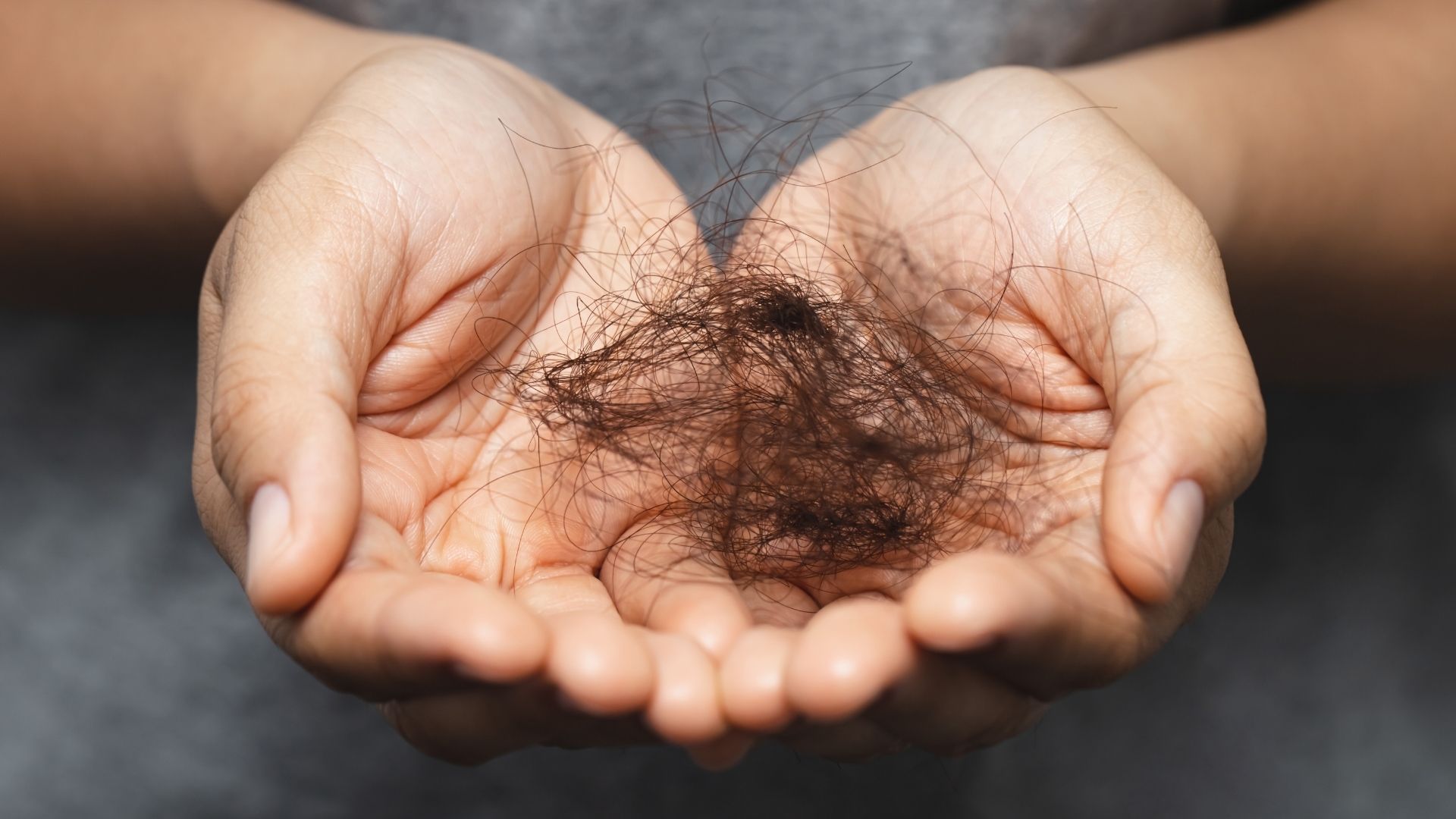
Waking up to find strands of hair on your pillow, remnants accumulating in the shower drain, or the sight of thinning scalp in the mirror can be a source of silent anxiety for many people in Hong Kong. Hair loss is no longer just an issue for older individuals; in recent years, it has trended younger. This article examines the truths behind hair loss from a medical perspective, helping to reclaim "hair freedom."
Why Is Your Hair Leaving You?
The causes of hair loss are complex and are not simply due to "high stress" or "poor shampooing." Dermatologists indicate that hair loss can be categorized into genetic, physiological, and environmental factors:
Common Causes:
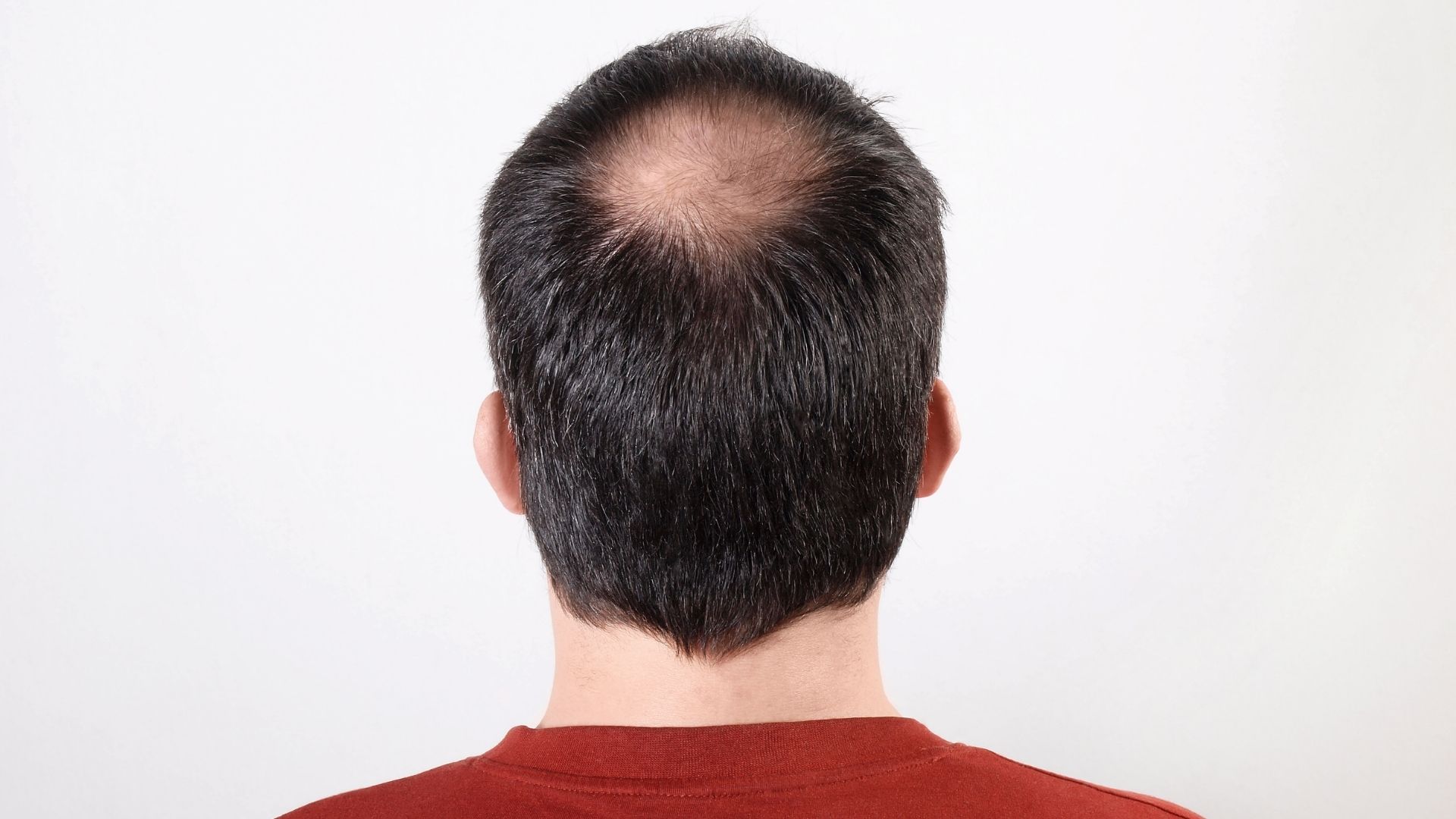
- Androgenetic Alopecia: This is the most common type, caused by the attack on hair follicles by dihydrotestosterone (DHT), usually manifesting as a receding hairline (M-shaped) or thinning on the top of the head (similar to a Mediterranean hairstyle).
- Hormonal Changes: Fluctuations in hormone levels, such as those occurring in women after childbirth or during menopause, can lead to a decrease in the proportion of hair in the growth phase.
- Autoimmune Diseases: The immune system mistakenly attacks the hair follicles, resulting in localized circular or oval patches of hair loss. In severe cases, patients may experience total hair loss, including eyebrows, eyelashes, and body hair.
- Skin Issues: Severe seborrheic dermatitis or scalp eczema that is not addressed in time may damage hair follicle health due to inflammation.
Causes of Young Hair Loss:
- Long-term Sleeplessness and Stress: Lack of sleep affects metabolism, and elevated cortisol (the stress hormone) can cause hair follicles to enter a "telogen phase."
- Extreme Dieting: Young people sometimes excessively diet to lose weight, leading to deficiencies in essential nutrients like iron, zinc, vitamin D, or protein.
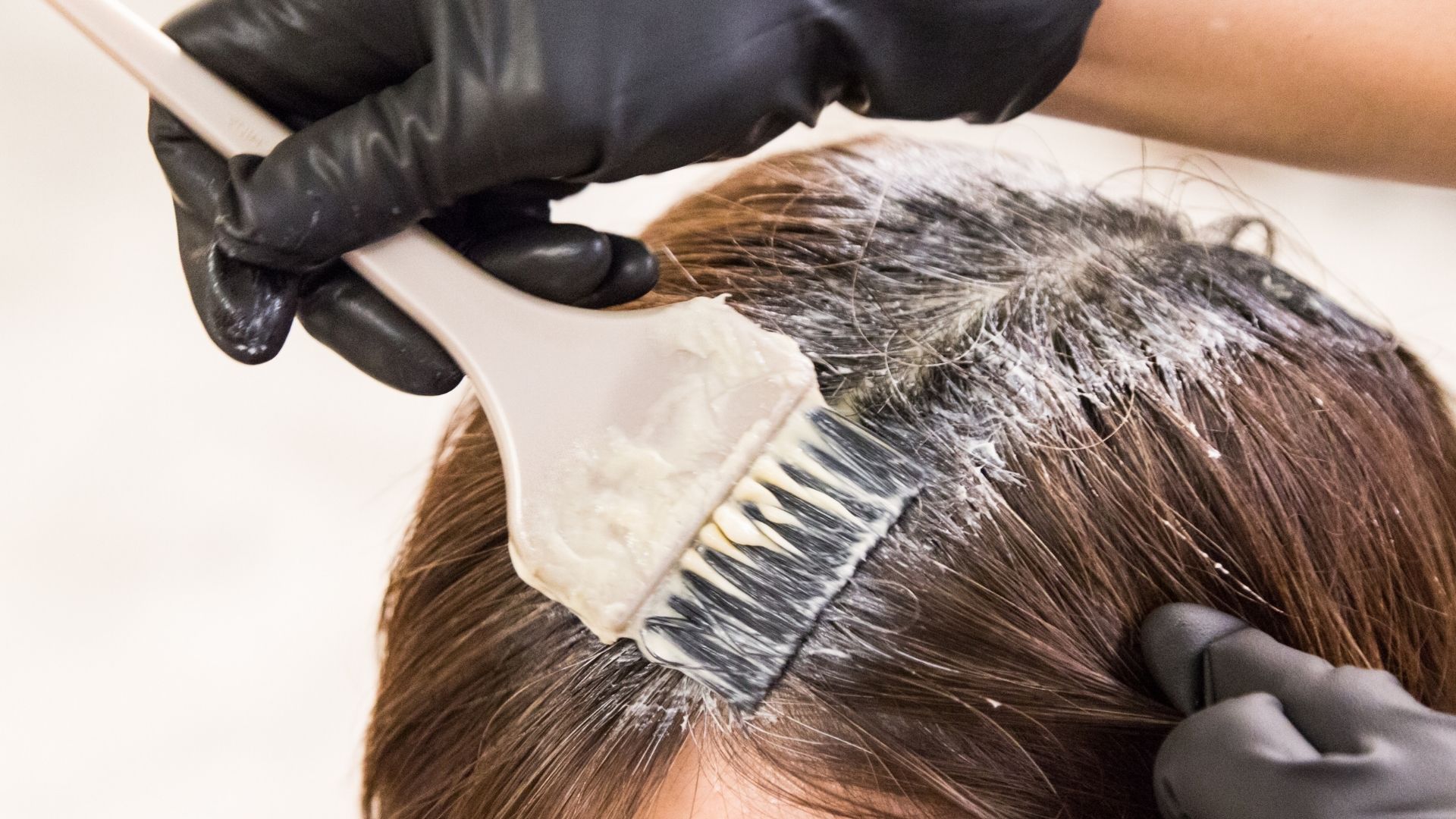
- Excessive Chemical Damage: Frequent dyeing, perming, or tightly tying hair in ponytails (traction alopecia) can cause physical damage to the hair roots.
At-Risk Group Self-Assessment: Am I Really Losing My Hair?
If you meet the following criteria, you should consider seeking a professional diagnosis from a doctor:
- Family History: Direct relatives (parents, siblings) have noticeable hair loss issues.
- Pull Test: Hold about 50-60 strands of hair between your fingers and gently pull outward. If more than 3 (5-6) strands come out each time, it indicates active hair loss.
- Daily Hair Loss: While the medical standard considers up to 100 strands of hair loss per day to be normal, if you notice a sudden doubling of hair loss in a short period (e.g., significantly clogged drain after washing hair), it's a warning sign.
- Visible Changes: Hairlines widening, ponytails thinning, or hair on the crown of the head appearing finer and weaker than at the nape of the neck.
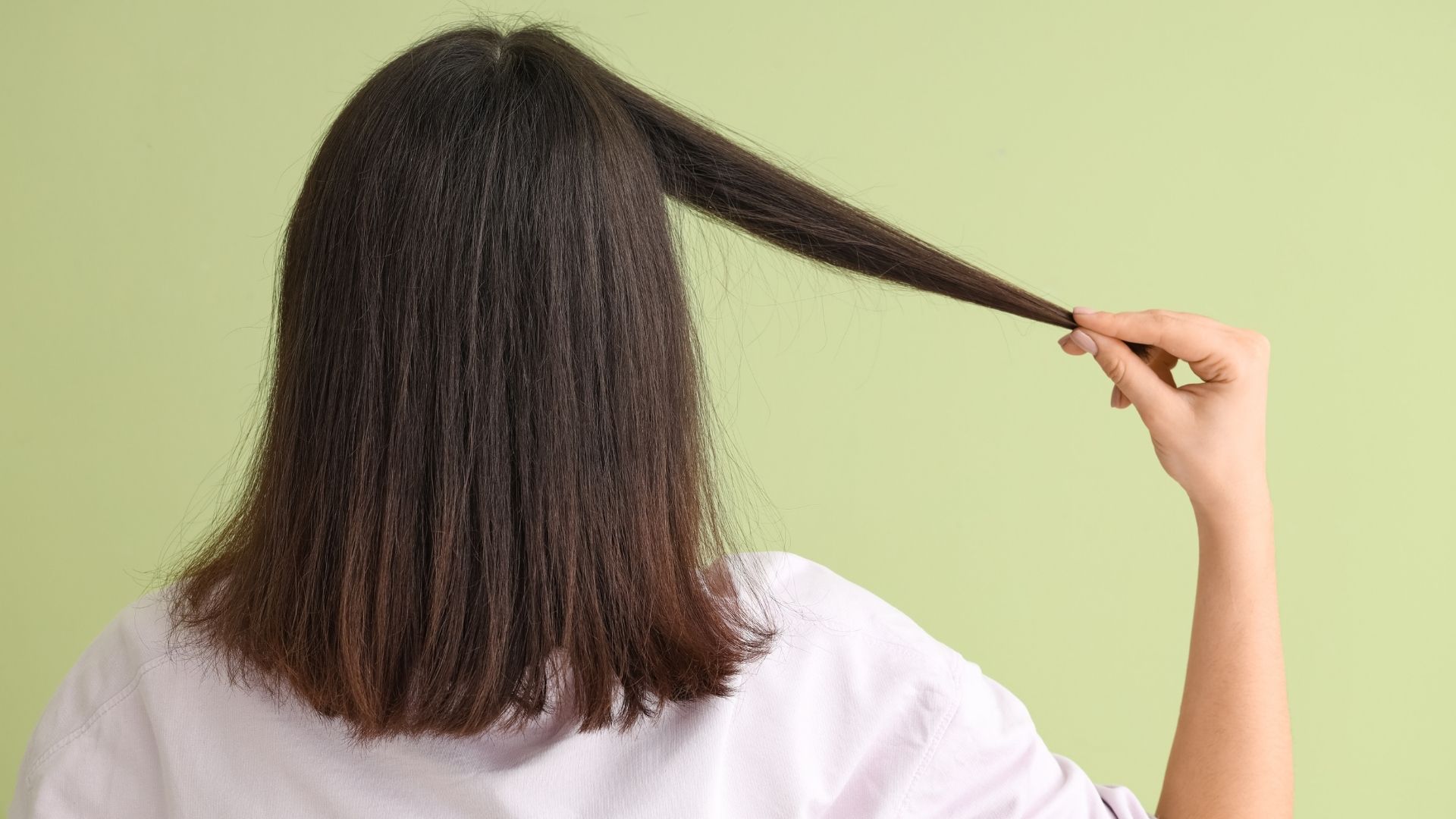
Three Common Types of Hair Loss Comparison Chart
Understanding which category you belong to can help target the appropriate treatment:
|
Feature
|
Androgenetic Alopecia
|
Alopecia Areata
|
Telogen Effluvium
|
|
Main Symptoms
|
Gradual recession of the hairline, thinning on top of the head, hair becoming finer
|
Sudden appearance of coin-sized circular bald patches (patchy hair loss)
|
Overall hair density uniformly thinning, no specific bald patches
|
|
Common Causes
|
Genetics, male hormones (DHT)
|
Immune system mistakenly attacking hair follicles
|
Stress, malnutrition, postpartum, after major illness
|
|
Reversal Opportunities
|
Can be managed before follicles completely shrink; difficult to fully restore to peak
|
Some patients may heal naturally; sometimes requires steroid injections or topical steroids, and severe cases may need oral medication
|
Usually recover within six months after removing triggers (e.g., improving diet)
|
|
Key Indicators
|
M-shaped hairline, thinning on the crown
|
Circular bald patches, exclamation mark-shaped broken hairs
|
Increased hair loss during brushing or washing
|
Doctor's Diagnosis: 5 Key Steps to Professional Medical Rigor
In a dermatology clinic, diagnosis is a systematic medical process that ensures no potential underlying causes are overlooked:
- Detailed Medical History Inquiry: Ask about the progression of hair loss, medication history, recent stress events, and dietary habits.
- Clinical Examination and Pull Test: Observe the distribution pattern of hair loss and perform a pull test to assess its active status.
- Dermoscopy Analysis: Use a high-powered skin microscope to magnify 50-100 times, allowing observation of hair follicle openings, the diversity of hair diameters (characteristic of androgenetic alopecia), and any signs of scalp inflammation.
- Blood Tests: Check thyroid function, ferritin, zinc, vitamin D, and related hormone levels to rule out pathological hair loss.
- Personalized Treatment Plan: Based on the examination report, combine the patient's needs to formulate a medical treatment plan.
In-Depth Comparison of Hair Loss Treatment Options
Dermatologists will plan various repair strategies based on the health of the hair follicles, much like an architect. Here, we break down the four main recognized approaches in modern medicine:
1. Oral Medications: The "First Line of Defense" for Hormones
For most men troubled by androgenetic alopecia, doctors typically prescribe oral medications that can regulate hormones.
- Imagine hair follicles as a factory constantly under attack by external forces (DHT hormone); the role of oral medications (like Finasteride) is akin to guards blocking these attack signals from within.
- This approach is best suited for patients whose hair follicles have not completely shrunk but have only become thinner.
2. Topical Minoxidil: "Local Nutrients" for Hair Follicles
If you have concerns about oral medications, or if you are experiencing female hair loss, topical minoxidil is another gentle and direct option.
- Its primary function is to expand blood vessels in the scalp, increasing blood supply to the hair follicles. It's like irrigating parched land to extend the "growth phase" of the hair.
- The advantage is that it can be purchased without a prescription (in lower concentrations) and has a high safety profile. However, this is a marathon; patients need to consistently spray it daily. Typically, after 3 to 4 months, you'll notice that originally sparse areas start to grow fine new hair.
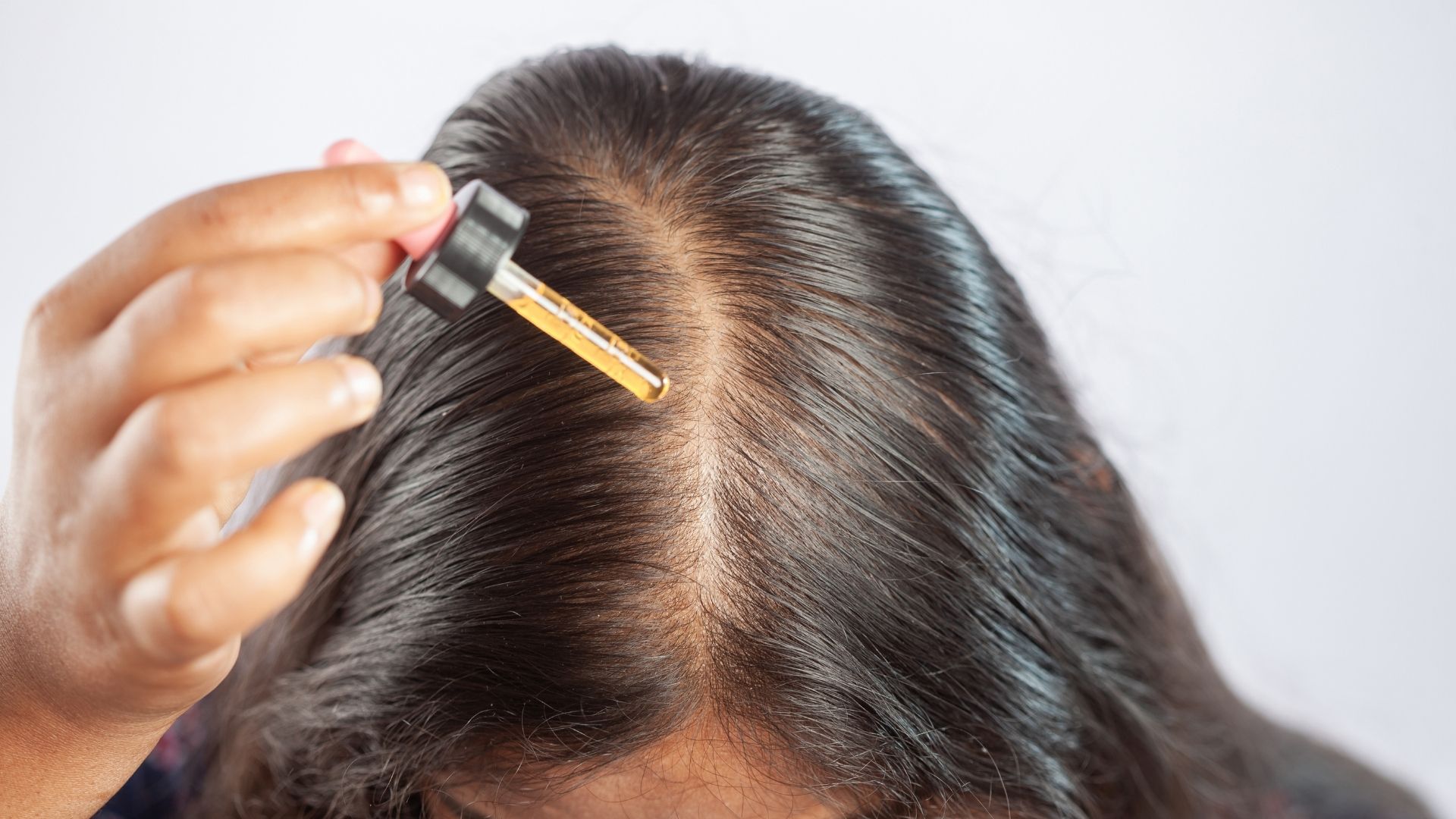
3. Microneedling: Opening Up the "Invisible Channels" of the Hair Follicles
Microneedling therapy is a technique that creates tiny wounds on the scalp using fine needles. These micro-injuries can stimulate the skin's natural healing process, increase blood flow, release growth signals, and help external medications like Minoxidil penetrate better and take effect, ultimately promoting hair growth.
- Various microneedling tools are available, each with its pros and cons. The most common are microneedling rollers, stamp devices, and electric microneedling pens primarily used in clinics. The choice of tool depends on the severity of hair loss and the desired results. At-home microneedling tools typically have short needles (0.3 - 0.5 mm) that target the epidermal layer to enhance serum absorption, used every few weeks.
- Doctors usually use electric microneedling pens with needle lengths of 1.0 to 1.5 mm, which penetrate the scalp quickly, providing deeper stimulation. After a microneedling session, there may be temporary redness, pinpoint bleeding, or itching, which usually resolves within a few days. Temporary hair loss may also occur. If significant pain, swelling, or drainage occurs, seek medical advice immediately. Sessions should be spaced at least one month apart. Depending on the patient's level of hair loss, treatments may be combined with growth serums, high-concentration platelet-rich plasma (PRP), growth factors, exosomes, and Minoxidil to enhance effectiveness.
- Professional Reminder: Longer needles are not necessarily better; too frequent treatments can cause excessive damage, leading to scarring or worsening hair loss. Post-treatment care is equally important.
4. Minimally Invasive Hair Transplant Surgery: Options After Follicle Death
When the hairline has significantly receded or when follicles are completely closed, minimally invasive hair transplant (FUE) options can be considered, precision transplanting "healthy hair follicles" from the back of the head to the balding areas.
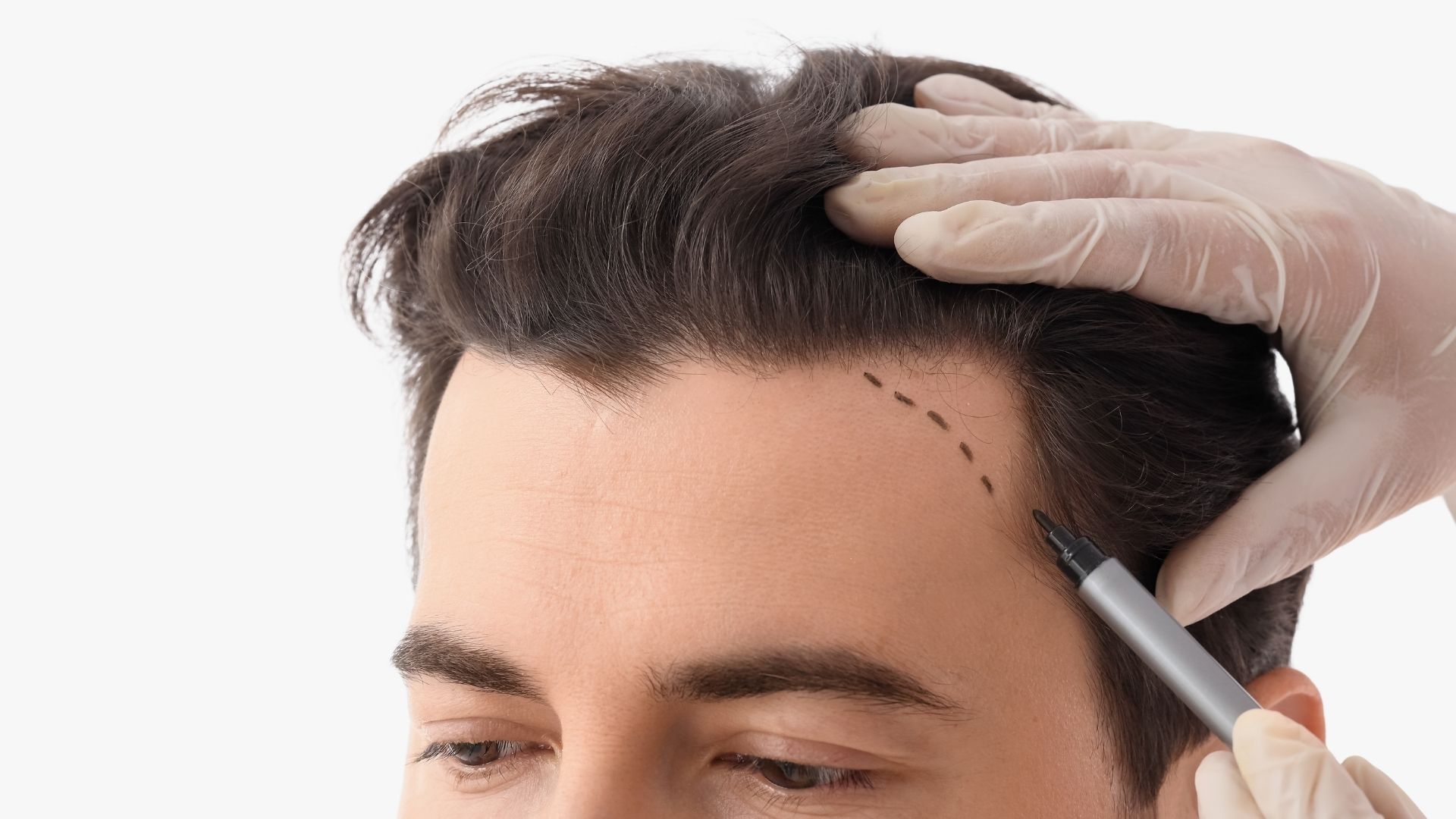
Early Intervention: Don’t Let "Hesitation" Become "Permanent Goodbye"
Once hair follicles are completely shriveled and fibrotic (follicles closed), it means hair follicle cells have died and cannot naturally regenerate hair. Treatment becomes very difficult, and early intervention can preserve more of the existing hair volume.
Frequently Asked Questions (FAQ)
-
Q1: Is it true that postpartum hair loss can lead to permanent baldness?
A: Postpartum hair loss is mostly temporary "physiological hair loss," not a permanent issue.
- - Causes: During pregnancy, elevated estrogen levels prolong the hair's growth phase, causing hair that should have fallen out to stay on the scalp. After childbirth, estrogen levels decrease, leading the "overdue" hairs to enter the telogen phase alongside normally metabolized hairs, resulting in noticeable hair loss.
- - Recovery Time: This situation is usually most pronounced between 3 to 6 months postpartum. As hormone levels rebalance, hair typically regrows naturally over six months to a year, restoring pre-pregnancy density.
- - Advice: Mothers should maintain a balanced diet (especially protein and iron) and get adequate rest. If hair loss persists beyond a year or if localized circular bald patches, inflammation, or itching occurs, it's advisable to consult a specialist for a detailed dermatoscopic examination to rule out anemia, excessive stress, or thyroid function abnormalities.
-
Q2: How does each type of microneedling tool work?
A:
- - Dermarollers: This is a simple handheld roller covered with tiny needles. You can gently roll it over your scalp. This type of roller has been around for a long time, but at deeper depths, it may sometimes "drag" the skin.
- - Dermastamps: This device presses straight down on the skin to create punctures. It's safer for smaller or specific areas.
- - Automatic Microneedling Pens: These use a small electric motor to rapidly insert and withdraw the needle, providing even depth and a smoother treatment. The range of needle lengths is quite broad—shorter depths are suitable for home use, while lengths over 1 mm are recommended to be used under medical supervision.
-
Q3: Can I perform microneedling at home?
A: There are microneedling tools available for home use, but you should pay attention to needle length, frequency, and follow the product instructions. Shorter needles—about 0.3 to 0.5 mm—are the safest and primarily assist with absorbing topical solutions, and it is advised to use them every few weeks. In clinics, we use longer needle lengths—about 1 to 1.5 mm—because they can penetrate deeper into the skin layer affecting hair growth. These treatments are usually performed once a month.
-
Q4: What should I pay attention to before and after a microneedling session?
A: The scalp should be cleaned on the day of treatment, and it should remain clean afterward. Avoid using acids, topical retinoids, or other irritating scalp products for one week before and after treatment.
-
Q5: How long will it take to see results after microneedling?
A: While microneedling can help with hair loss issues, it should be considered an adjunct treatment rather than a primary first-line option, and it is not suitable for everyone. It is advisable to consult a dermatologist to select the most appropriate hair loss treatment plan.
Updated: 2026‑02
Disclaimer: The health information on this website has been reviewed by doctors from Chiron Medical Group. The above content is for general reference only and should not be regarded as medical advice. It is not a substitute for consultation with qualified healthcare professionals about your personal health condition.