Can Rosacea Be Permanently Managed?
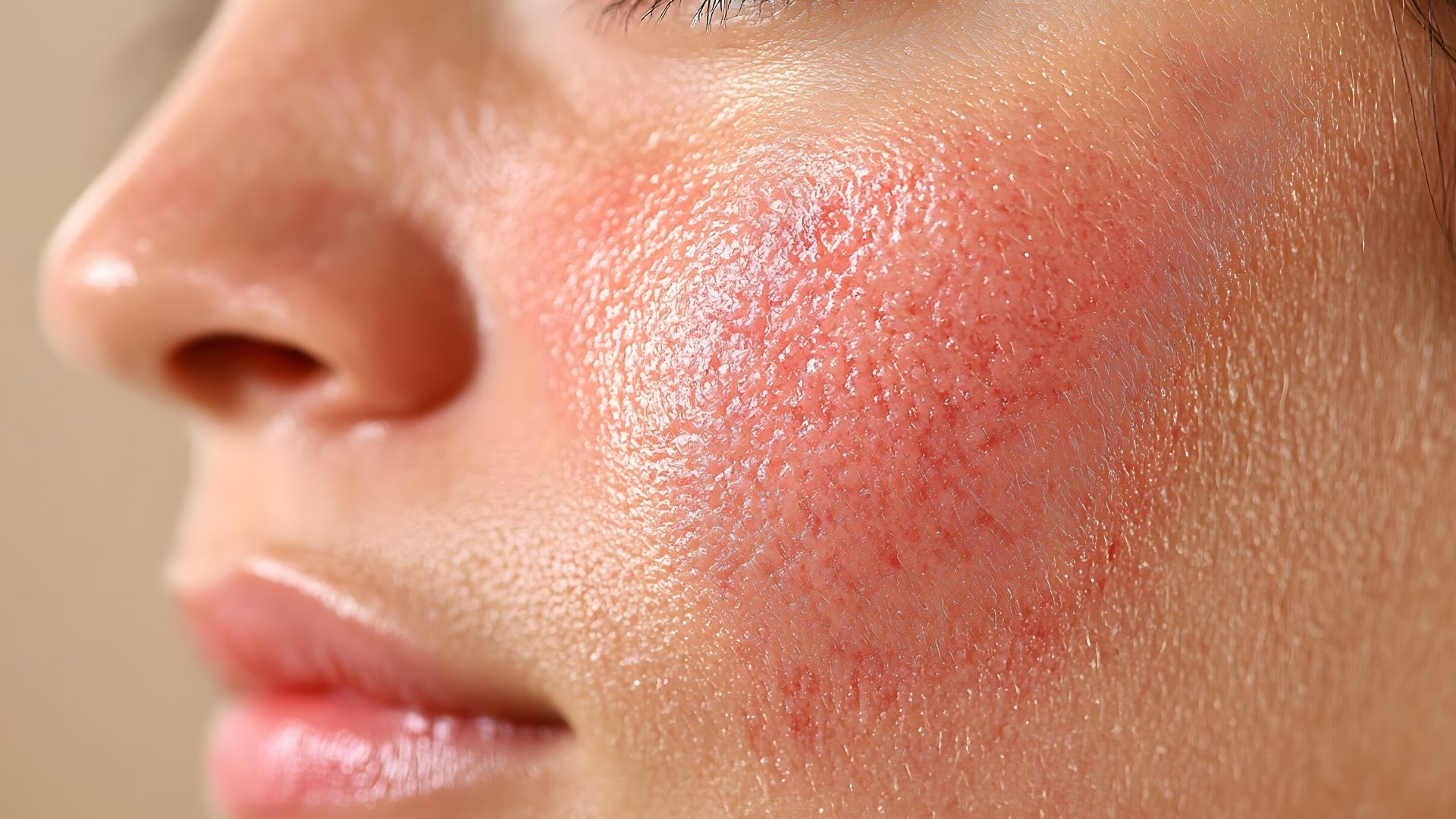
Patients with rosacea often start by experiencing facial redness, mistaking it for acne, only to find their entire face becoming red and hot, with symptoms that fluctuate. This feeling of a “tired heart” is all too familiar. In this article, we invite a dermatologist to share insights on how to differentiate between acne and rosacea, the triggers for rosacea, and effective treatments to help you break free from this concern.
Is It "Acne" or "Rosacea"?
Many patients try various acne creams and treatments, only to discover their condition worsens and realize at the clinic that it’s not acne at all. While both conditions can present with red bumps and pustules, dermatologists can help distinguish between them using these three key points:
|
Features
|
Rosacea (玫瑰痤瘡)
|
Acne (暗瘡)
|
|
Comedones/ Blackheads
|
None (this is the biggest difference!)
|
Present (with blackheads and whiteheads)
|
|
Location
|
Concentrated in the central face (T-zone, cheeks, nose)
|
Face, neck, chest, back
|
|
Triggers
|
Sunlight, extreme temperatures, emotional stress, spicy foods, alcohol, hot beverages
|
Excessive sebum production, hormonal fluctuations, stress, lack of sleep, high-sugar diet, certain medications
|
Four Major Types of Rosacea
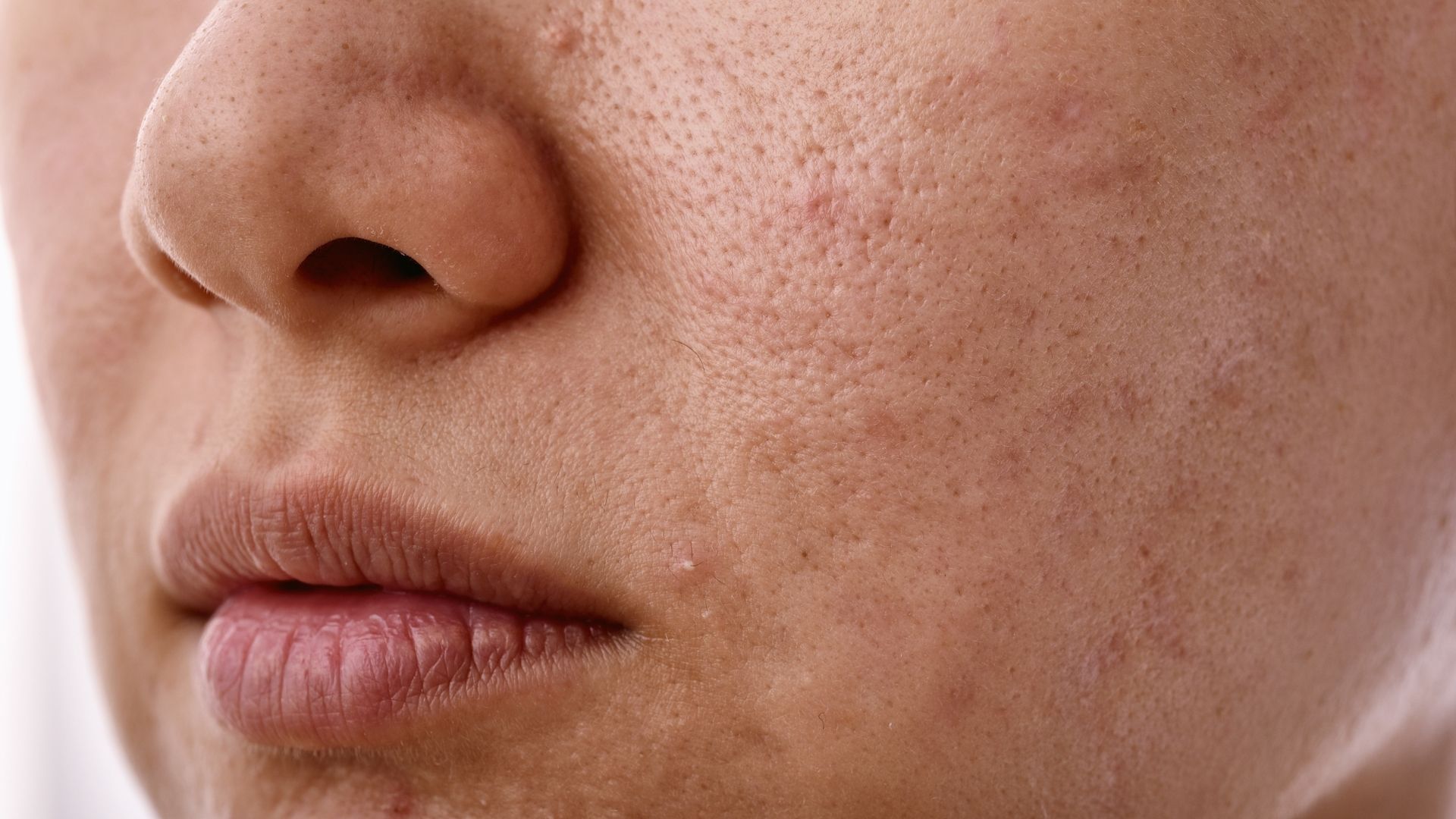
Rosacea is not a single condition; it is clinically divided into four types, and patients may exhibit one or more symptoms simultaneously:
- Erythematotelangiectatic: This is the most common type, characterized by persistent facial redness (especially on the cheeks and nose), with visible dilated blood vessels. Patients often report extreme sensitivity, experiencing stinging or burning sensations when exposed to heat.
- Papulopustular: This type is commonly misdiagnosed as regular acne. It features red bumps or pustules that develop on a red background, often linked to an excess of Demodex mites.
- Phymatous: More prevalent in men, this form occurs when long-term inflammation leads to thickening of skin tissue, causing the nose to become red, swollen, and deformed, resulting in a bumpy appearance known as rhinophyma. This is a late-stage and more severe symptom.
- Ocular: The ocular type is often overlooked. Symptoms include dryness, a sensation of a foreign body in the eye, light sensitivity, swollen eyelids, or styes. If left untreated, severe cases can adversely affect vision.
Why Does It Keep Recurring? Understanding the "Invisible Bombs" in Your Skin
To achieve long-term management, it's essential to understand why rosacea recurs. It's not just about "thin skin"; it results from a combination of factors:
- Vascular Dysfunction: Facial blood vessels overreact to stimuli such as heat, emotions, and alcohol, leading to abnormal dilation that is difficult to reverse.
- Demodex Mite Overgrowth: Research shows that many rosacea patients (especially those with the papulopustular type) have significantly higher densities of Demodex mites, triggering immune responses that cause inflammation.
- Immune System Dysregulation: The skin may have an overly active immune response to environmental factors and microorganisms. This can accumulate over time, resulting in chronic skin irritation characterized by persistent redness and swelling.
- Damaged Skin Barrier: A compromised stratum corneum fails to retain moisture, allowing irritants to penetrate easily.
Two Things to Avoid When Symptoms Flare Up!
When the face suddenly feels hot and turns bright red, many people instinctively try to "self-rescue," but incorrect methods can worsen the condition, potentially leading to rhinophyma.
- Never Use Corticosteroids: While topical corticosteroids can reduce inflammation and rapidly relieve redness, long-term use can severely worsen the condition and cause side effects, such as rebound effects (worsening of symptoms after discontinuation). Corticosteroid-induced rosacea can result in skin thinning, vascular dilation, and inflammatory bumps.
- Never Exfoliate or Over-Cleanse: The presence of "pustules" does not indicate dirt on the face. Avoid scrubbing with cleansing machines or abrasive scrubs, as this will further damage the already fragile skin barrier and exacerbate inflammation.
Rosacea is a chronic inflammatory skin condition that can recur even after treatment, but we can take proactive steps to prevent it from spiraling out of control.
Medical Intervention
Relying solely on skincare products for temporary relief will not suffice; to effectively improve vascular dilation and eliminate mites, medical intervention is necessary.
1. Medications: Targeted Treatments
- - Topical Ivermectin: A recent treatment for rosacea, it effectively kills excess Demodex mites while providing anti-inflammatory effects, particularly benefiting patients with the papulopustular type.
- - Topical Vasoconstrictors (Brimonidine): These creams temporarily constrict blood vessels to improve the appearance of persistent redness.
- - Oral Isotretinoin: For severe rhinophyma or recurrent pustules, low-dose oral isotretinoin can inhibit sebum production and reduce inflammation, but it requires careful monitoring by a physician.
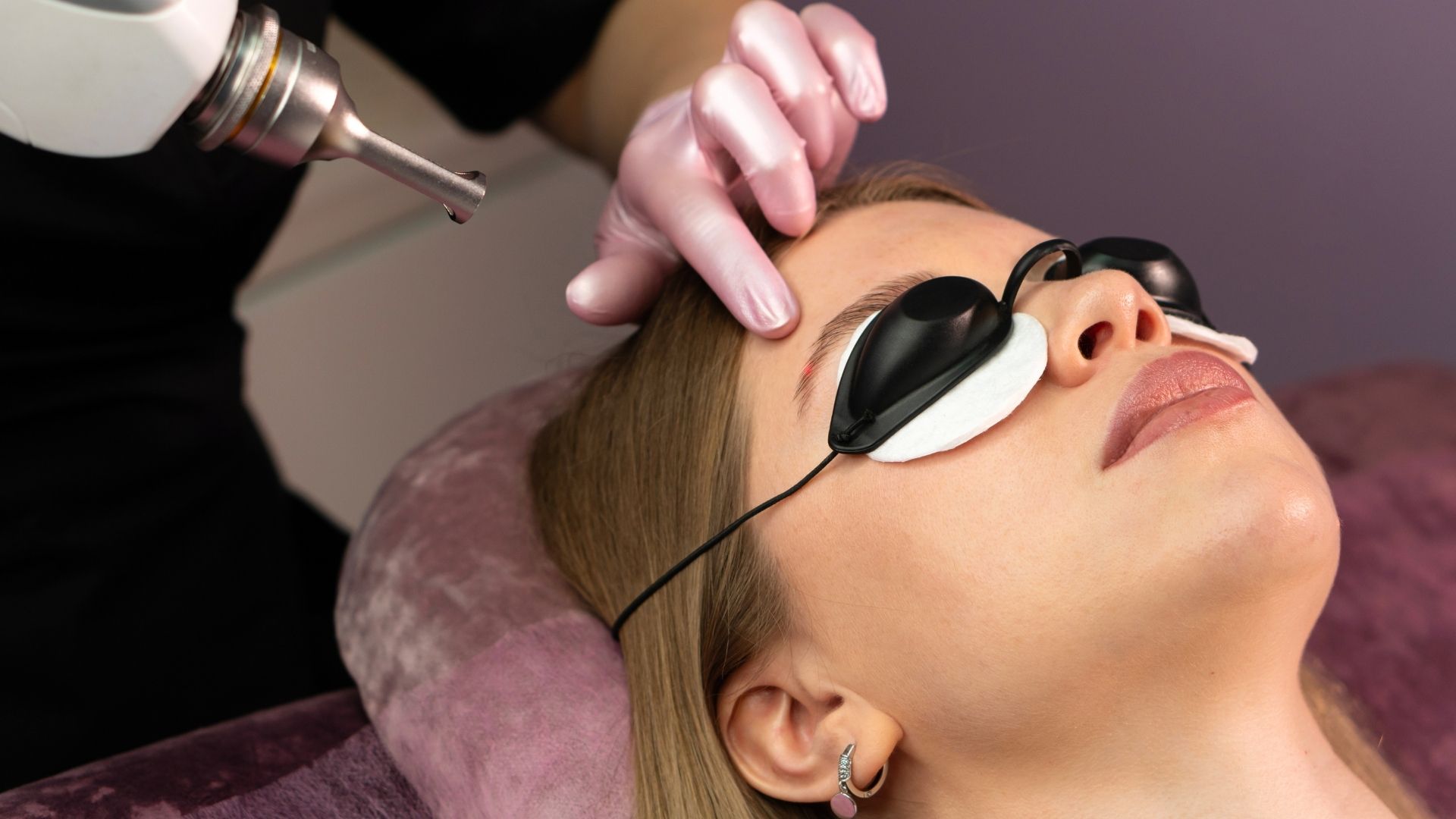
2. Optical Treatments: Addressing Dilated Vessels
Medications alone may struggle to resolve visibly dilated "blood vessels", necessitating laser treatments:
- - 595nm Laser: A classic laser targeting vascular issues, it absorbs into hemoglobin in blood vessels, generating heat to effectively "seal off" abnormal vessels, which are then metabolized by the body, reducing redness.
- - Combination of 532nm and 1064nm Lasers: This effectively treats both superficial redness and deeper bluish vessels.
Common Questions (FAQ)
-
Q1: How should rosacea patients choose skincare?
A: Remember, “Less is More.”
- - Cleansing: Use a gentle, soap-free, mildly acidic cleanser, avoiding hot water.
- - Moisturizing: Select products with barrier-repairing ingredients such as ceramides, hyaluronic acid, or vitamin B5.
- - Avoid: Alcohol, fragrances, menthol, eucalyptus oil, and high concentrations of acids (AHA/BHA).
-
Q2: Sunscreen is essential, but what if I'm allergic to it?
A: UV rays are a major trigger for rosacea, so it’s critical to use sunscreen or employ physical sun protection methods while avoiding direct sunlight as much as possible.
-
Q3: Is it acceptable to wear makeup if my face is red?
A: Makeup is permissible during stable periods, as proper concealing can help alleviate psychological stress. Opt for mineral powders or compact products, avoiding heavy liquid foundations or cushion compacts, which can promote bacterial growth and often contain more preservatives. Ensure thorough but gentle makeup removal.
Conclusion
While rosacea can be stubborn, it is not untreatable. Don't allow redness to undermine your confidence. If you have concerns, consult a dermatologist early and develop a personalized treatment plan.
Updated: 2025‑02
Disclaimer: The health information on this website has been reviewed by doctors from Chiron Medical Group. The above content is for general reference only and should not be regarded as medical advice. It is not a substitute for consultation with qualified healthcare professionals about your personal health condition.